Helping Kids Name and Share Their Emotions Through Play at Home
Explore simple games to help children identify and express feelings, building emotional skills while enjoying quality time together.
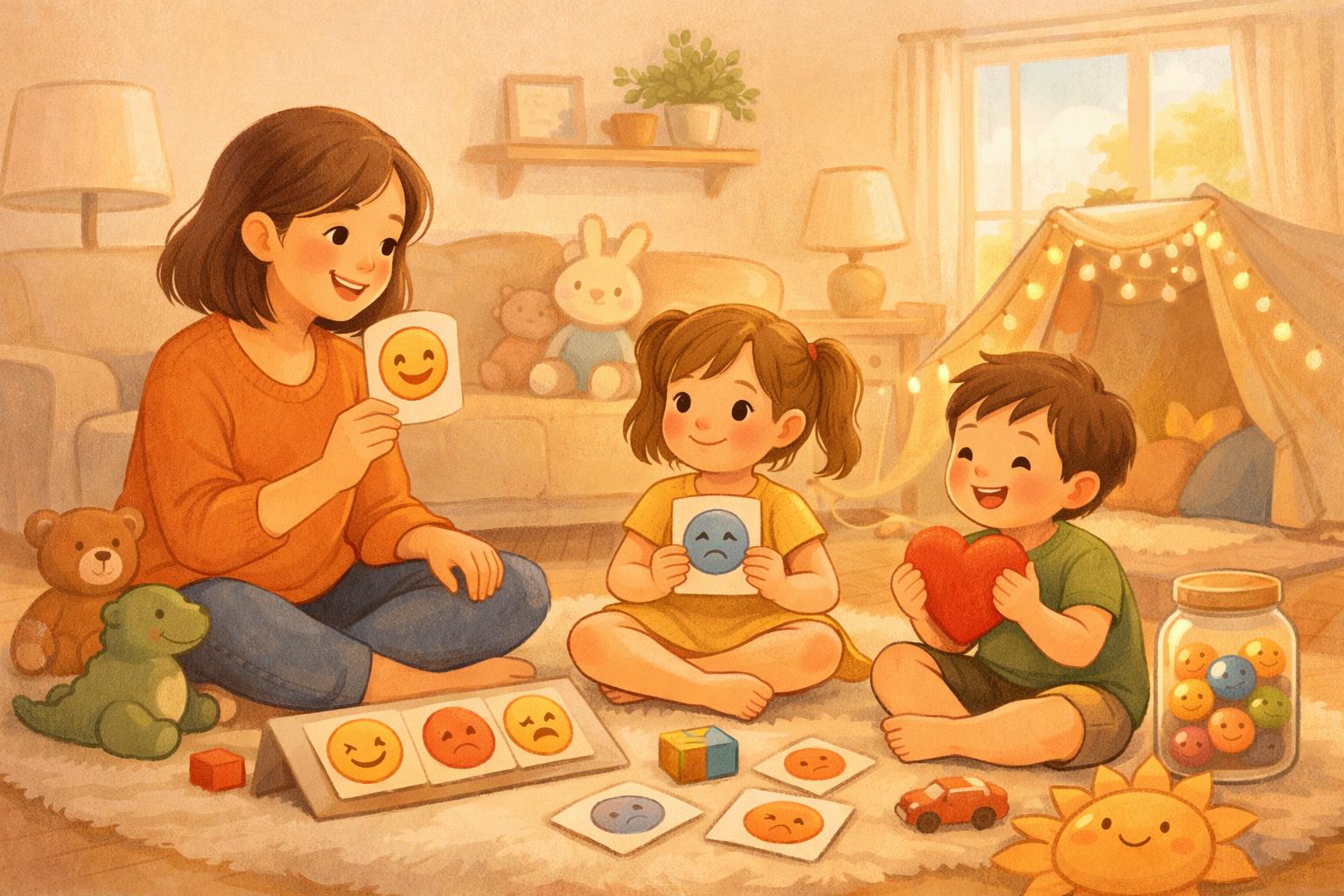
Recognizing and expressing emotions is an essential part of a child’s development. When kids learn to name what they’re feeling and share these emotions with others, they build empathy, confidence, and communication skills. At home, families can try playful activities that make this learning fun, naturally supporting emotional growth.
Why Playful Emotional Learning Matters
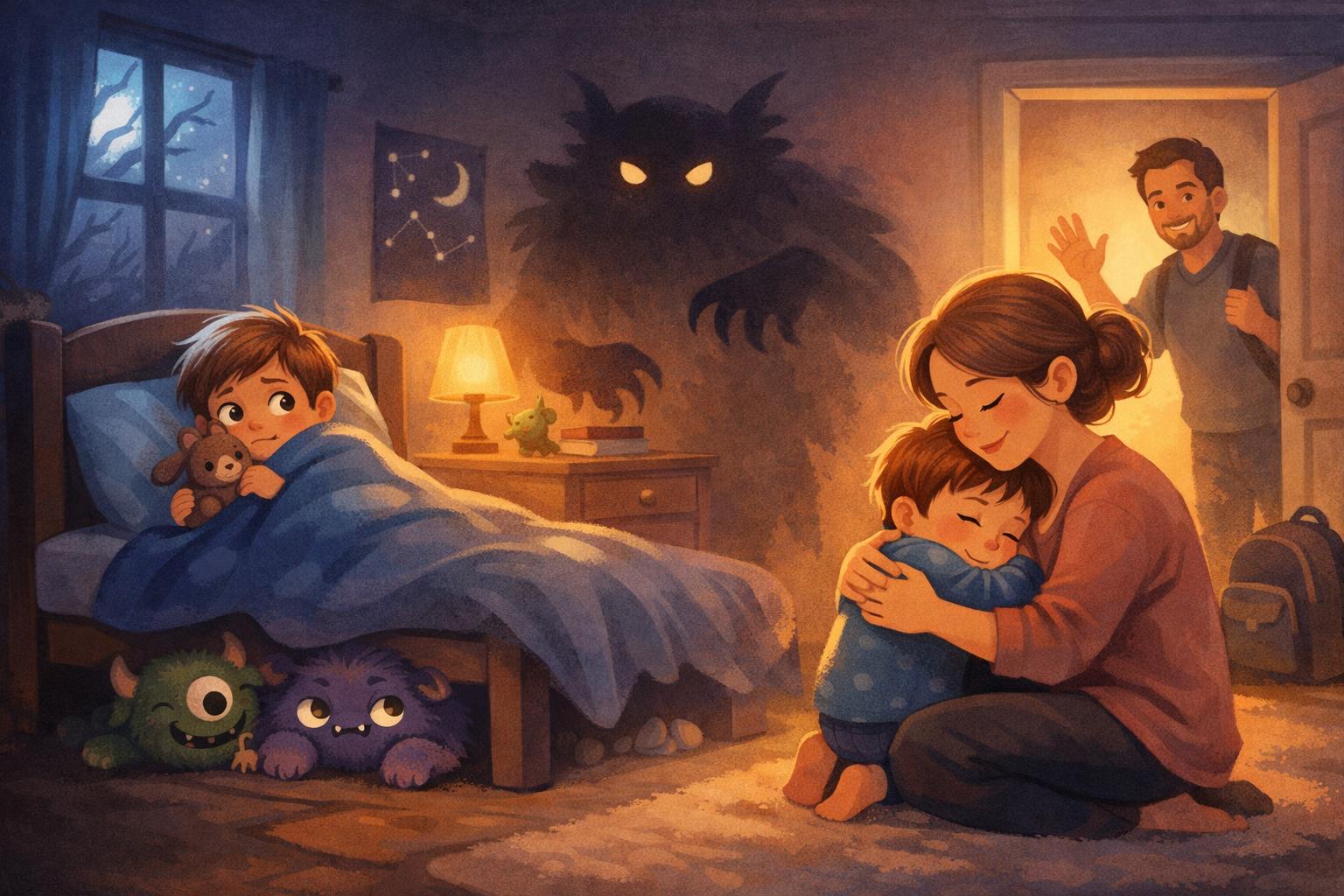
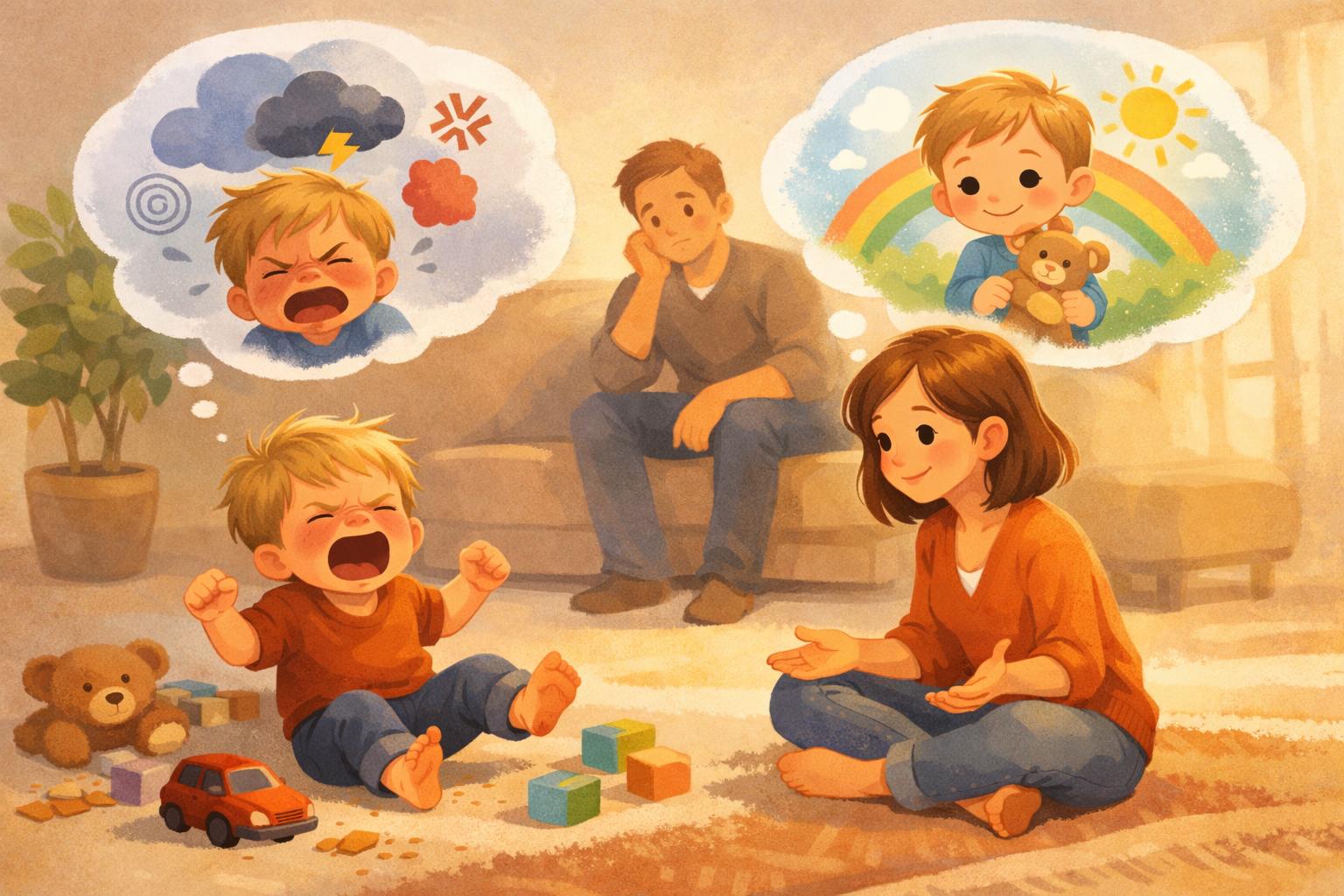
Children don’t always have the words to communicate complex feelings like frustration, jealousy, or sadness. Using games and stories offers a gentle, interactive way to explore emotions, helping kids understand themselves and others better. Bedtime stories, in particular, often show characters navigating feelings, which can spark conversations and empathy.
Games to Help Your Child Name Emotions
1. Emotion Charades
- Write or draw different emotions on small cards (happy, scared, mad, calm).
- Take turns picking a card and acting out the feeling without words.
- Others guess which emotion it is.
This game encourages children to observe body language and facial expressions, boosting both emotional vocabulary and nonverbal communication.
2. Feelings Drawing Time
- Ask your child to choose an emotion they felt recently.
- Provide crayons or markers and paper.
- Invite them to draw a picture of what that feeling looks like to them.
- Talk about the drawing together.
Drawing helps children externalize their emotions in a safe way. It also opens a pathway for parents to better understand their child’s inner world.
3. Emotion Matching Cards
- Create or buy cards showing faces with different emotions.
- Play a memory matching game where pairs show the same emotion.
- After a match, talk briefly about what might make someone feel that way.
This activity improves memory and emotional recognition skills.
4. Storytime Feelings Check-in
- While reading a bedtime story, pause to ask: “How do you think this character feels?” or “Have you ever felt like that?”
- Encourage your child to describe why and what they would do.
This makes storytime an occasion to connect feelings with situations, helping children develop empathy and emotional insight.
Creating a Feelings Corner
Set up a cozy spot at home with books, stuffed animals, and emotion charts where your child can explore feelings whenever they want. Include:
- A feelings wheel or chart to point to emotions
- Storybooks dealing with emotions
- Soft pillows or sensory toys for calming down
This corner becomes a safe space for emotional learning and self-regulation.
Tips for Parents to Support Emotional Play
- Use simple, clear language when naming emotions.
- Praise your child’s efforts to express feelings, even if imperfect.
- Share your own feelings appropriately to model openness.
- Respect their pace — some children take longer to share or identify emotions.
Remember, emotional development is a process that builds over time with patience and love.
Closing Encouragement
Helping your child understand and talk about emotions sets the foundation for healthy relationships and resilience. Through games, drawing, and storytime, you turn emotional learning into joyful moments that enrich your family life. Keep exploring feelings together, and celebrate every little step your child makes towards emotional awareness.